Most bathroom renovations in Calgary need at least one permit. If you’re moving or adding plumbing, running new wiring, or changing the room’s structure or footprint, you’ll need plumbing, electrical, or building permits (sometimes all three). Purely cosmetic work, like new tile or a vanity swap in the same spot usually doesn’t. Your next move: check the City of Calgary’s ePermit checklist or call a licensed contractor before you swing a hammer.
TL;DR:
- Most bathroom renovations in Calgary require permits if they involve structural changes, new fixtures, or electrical wiring, but cosmetic updates typically do not.
- Applying through the online Residential ePermit system usually takes seven days for straightforward projects, with incomplete submissions causing delays.
- Mandatory documents include floor plans, smoke and carbon monoxide detector locations, structural descriptions, and an asbestos form for homes built before 1990.
- Inspections are needed at rough-in and final stages to ensure plumbing, wiring, and safety devices meet code, preventing issues at resale or insurance claims.
- Adding a bathroom as part of a secondary suite or expanding the footprint may necessitate a development permit before starting construction.
Statera Contracting — Plan Your Calgary Bathroom Renovation. Statera Contracting helps Calgary homeowners with bathroom renovations, alongside kitchens, basements, additions, and exterior work. Explore renovation services
Table of Contents
- Which permits apply to your bathroom renovation
- How do you apply for a bathroom permit in Calgary?
- What documents does your permit application need?
- What inspections does a bathroom renovation require?
- Does a bathroom project ever need a development permit?
- Why hiring a licensed contractor changes the permit process
- Get your Calgary bathroom permit handled without the guesswork
- Sources
- FAQ
Which permits apply to your bathroom renovation
The City of Calgary splits renovation permits into three main categories, and most bathroom projects touch at least one of them.
Building permits cover structural changes: knocking down a wall to expand the bathroom, adding a new bathroom where one didn’t exist, or reframing a doorway. If you’re carving a powder room out of a closet or basement storage area, you need a building permit before framing starts.
Plumbing permits apply whenever a plumbing system is constructed, extended, or altered, according to the City’s homeowner electrical and plumbing permit guidance. Moving a toilet three feet to the left, adding a second sink, or installing a shower where there wasn’t one all count. Simply replacing an existing toilet or tub in the exact same location typically does not trigger this permit.
Electrical permits cover new wiring, added circuits, heated floor installations, and GFCIs installed where none existed. Retrofitting a bathroom with in-floor heating almost always needs one.
On homeowner eligibility: you may be able to pull your own plumbing or electrical permit for work in your principal residence, but restrictions apply, and the City’s trades permit rules spell out exactly when a licensed trade must apply instead. If a previous owner did conceal plumbing or wiring work without permits, you’ll generally need a licensed contractor to sort it out and follow the City’s concealed-work inspection process.
- Building permit: structural changes, new bathroom locations, wall removal
- Plumbing permit: new fixtures, relocated fixtures, added water lines
- Electrical permit: new circuits, heated floors, added GFCIs
- Homeowner permit: allowed in some cases, but concealed prior work usually requires a licensed contractor
How do you apply for a bathroom permit in Calgary?
Calgary handles most residential renovation permits through its Residential ePermit system, and it’s the fastest route for a straightforward bathroom project. You’ll set up a VISTA account online, upload your plans and supporting documents, pay the applicable fees, and track your file’s status without leaving your kitchen table.
If your project is more involved, say it touches structural work or overlaps with a secondary suite, you can still apply in person at the Planning Services Centre, where staff can walk through unusual scenarios face to face.
Timelines depend heavily on how complete your submission is. The City processes residential improvement permits in seven calendar days or less when the application is complete, while a single construction permit covering multiple trades can take up to 21 calendar days. That seven-day window assumes your drawings, forms, and detector locations are all in order on the first pass. An incomplete file gets bounced back for corrections, and every round trip adds days, sometimes weeks, to your renovation schedule.
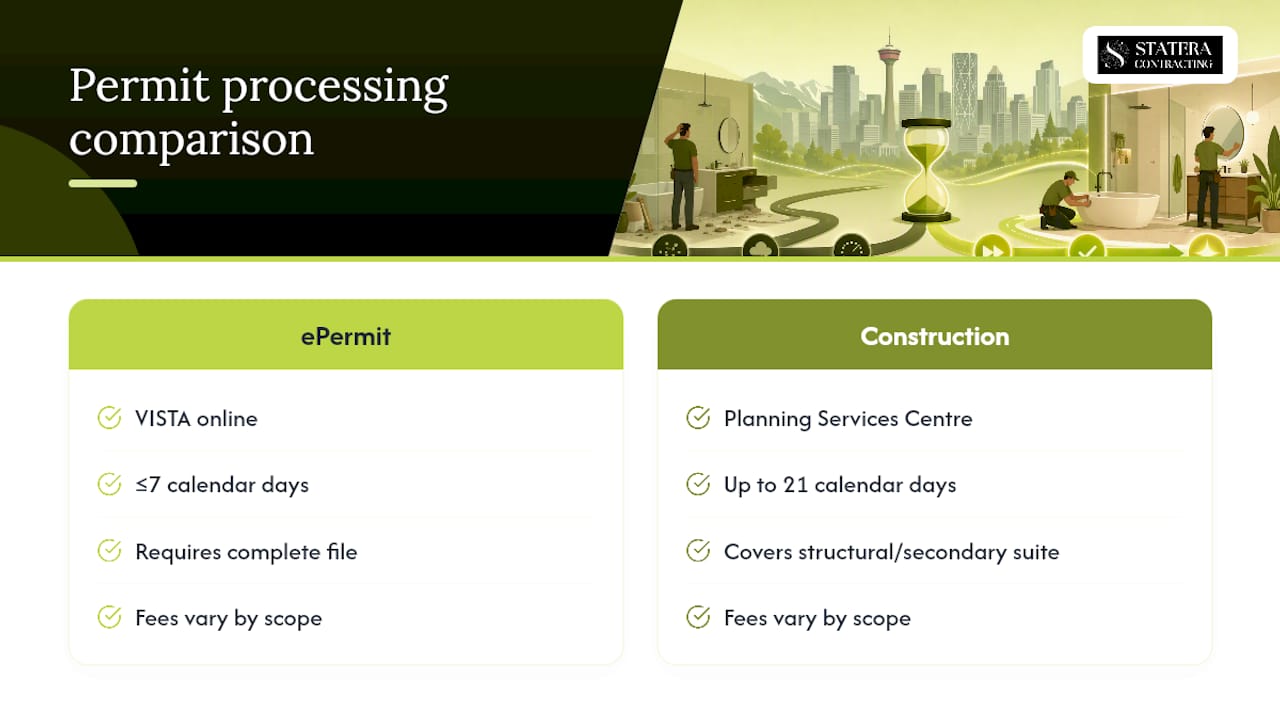
Fees are set by the City based on project scope and construction value, not a flat rate, so your exact cost depends on what you’re building. Budgeting for permits alongside materials and labour is worth doing early. If you’re still nailing down your overall project cost, our guide on what it costs to renovate a small bathroom in Calgary can help you size up the numbers before you apply.
What documents does your permit application need?
The City’s home renovation and basement permit checklist spells out exactly what plans examiners expect to see, and skipping any of it is the fastest way to stall your file.
At minimum, you’ll need:
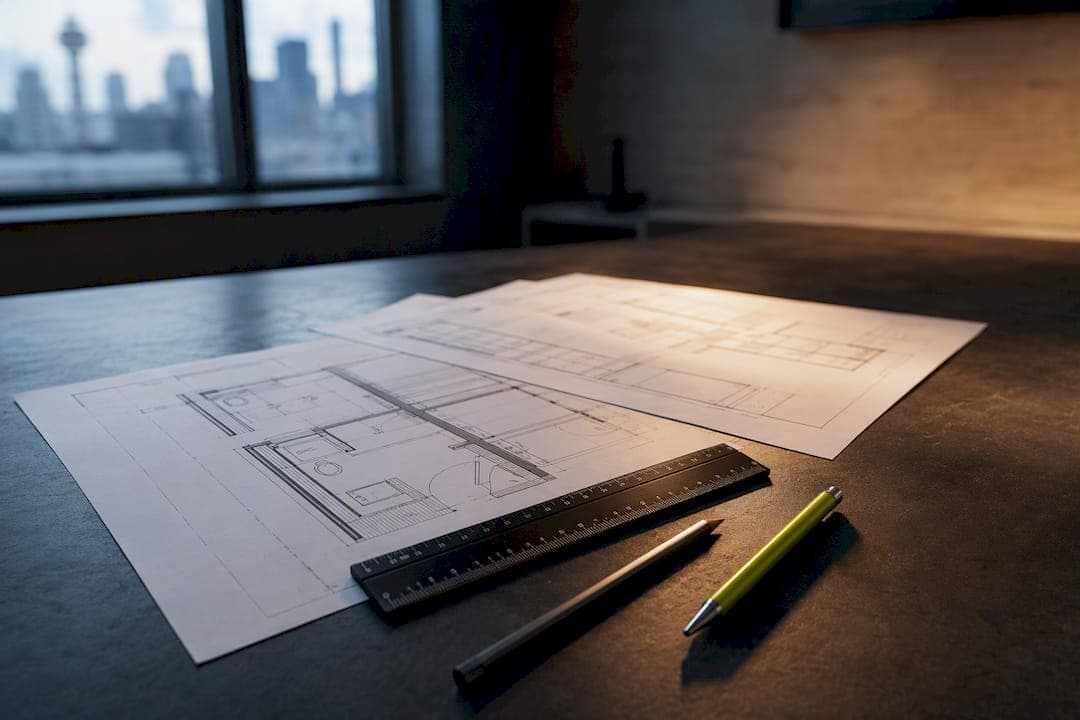
- Floor plans showing the existing and proposed layout, with rooms labelled
- Window sizes and locations, where relevant to the renovated space
- Smoke and carbon monoxide detector locations throughout the affected floor
- A written description of any structural changes
- An asbestos abatement form, mandatory for any home built before 1990
That last item catches a lot of Calgary homeowners off guard. If your house predates 1990, the City requires the asbestos form regardless of how minor the renovation looks on paper, and leaving it off your submission is one of the most common reasons files get sent back.
Drawing quality matters too. Residential ePermit submissions need to follow recognized drawing standards, using either imperial scale (1/4" = 1’0") or metric scale (1:50). Hand-sketched plans without a scale, missing labels, or stamped “not for construction” are a documented cause of permit rejections across Calgary’s development approvals.
Pro Tip: Take dated photos of your existing bathroom before demolition. If a plans examiner has questions about the original layout, you’ll have proof on hand instead of trying to describe it from memory.
What inspections does a bathroom renovation require?
Two inspection stages apply to most bathroom permits: rough-in and final.
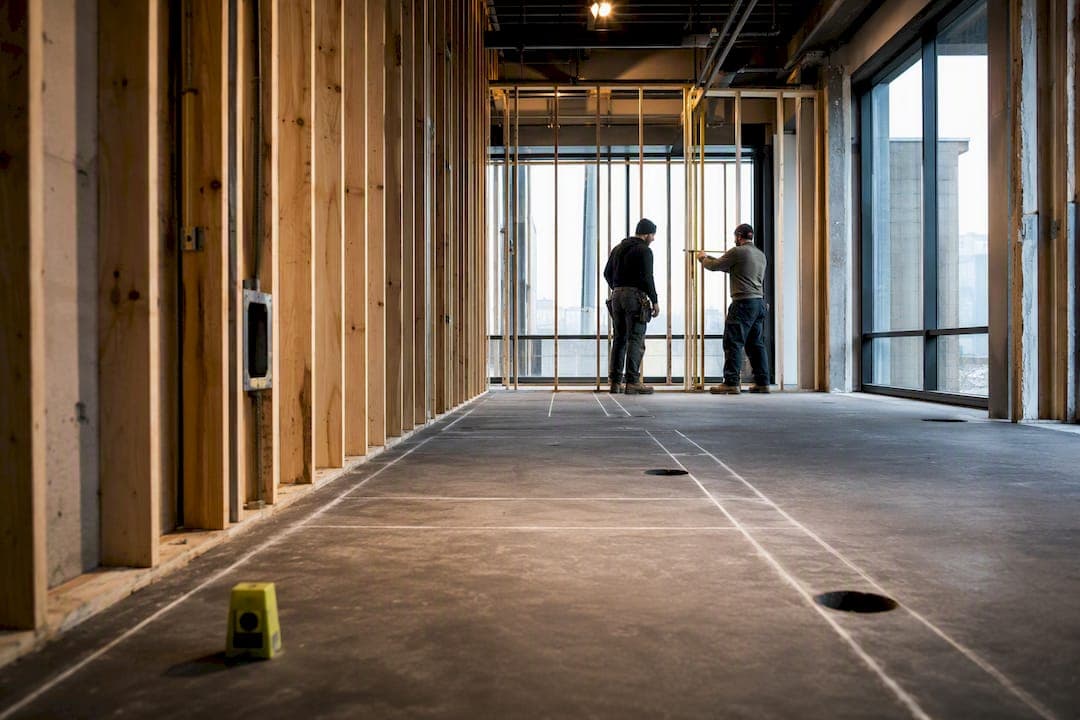
The rough-in inspection happens after plumbing lines, electrical wiring, and any framing changes are in place but before drywall goes up. Inspectors need to physically see and access the work, so cover it too early and you’ll fail the inspection or have to cut drywall back open. Plans examiners consistently note that inspectors will not approve work that isn’t ready or accessible, which means your venting, rough plumbing, and wiring all need to be fully complete and visible when the inspector arrives.
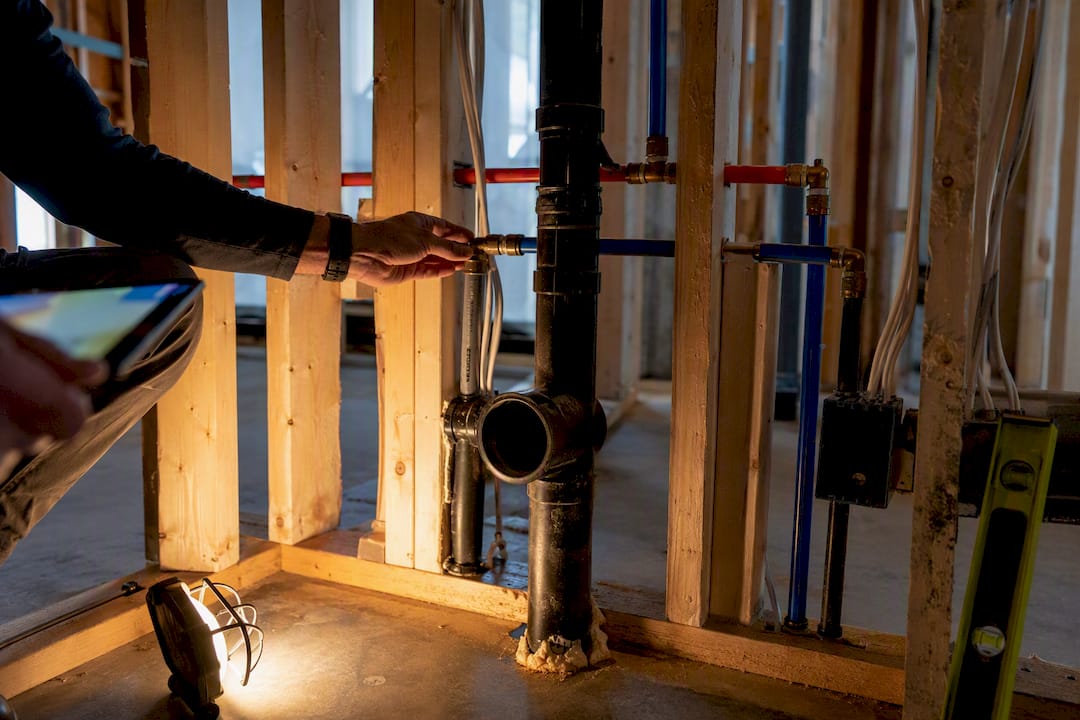
The final inspection comes once everything is finished: fixtures installed, detectors mounted, trim in place. Inspectors check that the completed work matches the approved plans, confirm smoke and carbon monoxide detectors are correctly placed, and verify the plumbing and electrical work meets code.
You book both inspections through the same VISTA account you used to apply for the permit, or by phone through the City’s inspections line. Give yourself a buffer before you schedule, since same-day bookings aren’t guaranteed and a missed or failed inspection resets your timeline.
Skipping inspections isn’t just a compliance risk. An uninspected renovation has no official record, which becomes a real problem at resale or when an insurance adjuster asks who signed off on the plumbing behind your shower wall.
Does a bathroom project ever need a development permit?
Sometimes, yes, and it’s easy to miss until your building permit gets held up. A development permit checks your project against Calgary’s Land Use Bylaw, which governs things like setbacks, land use, and how a property can be occupied. Most bathroom-only renovations never touch this. But a few scenarios pull it in.
Adding a bathroom as part of creating a secondary suite is the most common trigger, since secondary suites carry their own land use rules around parking, entrances, and occupancy. Building an addition to fit a new bathroom, rather than reworking existing floor space, can also raise setback questions if the addition changes how close your home sits to the property line.
The City’s own permit process guidance is direct about this: where a project affects Land Use Bylaw rules, it’s more efficient to resolve development approval before applying for your building permit. Applying for both at once, without confirming land use first, risks a building permit sitting in limbo while planning issues get sorted out separately, sometimes for months.
If your bathroom renovation involves any addition, new suite, or changed occupancy, a quick call to Planning Services before you draw up plans saves real time.
Why hiring a licensed contractor changes the permit process
Most delays we see in Calgary bathroom permits trace back to the same handful of causes: unclear plans, a missing asbestos form, or a permit application submitted before the scope of work was fully defined. A licensed contractor who handles permits regularly catches these before submission, not after a rejection notice arrives.
A licensed contractor can coordinate the building, plumbing, and electrical permit applications for a bathroom project as one package, lining up licensed trades and inspection scheduling so rough-in and final inspections happen without gaps in the timeline; our guide on how to choose a painting contractor can help you select skilled tradespeople involved in your renovation. For homes built before 1990, that includes managing the asbestos abatement form correctly the first time.
There’s also a paper trail benefit that’s easy to overlook: a permit record tied to a licensed contractor’s work becomes part of your home’s documented history, which matters at resale and with insurance claims down the line.
Pulling a homeowner permit yourself can work for a straightforward fixture swap. Once structural changes, a new bathroom location, or multiple trades are involved, a contractor managing the whole file tends to save more time than it costs.
— Patrick
Get your Calgary bathroom permit handled without the guesswork
A local, licensed contractor can handle the paperwork for homeowners who’d rather have someone experienced with Calgary’s permit office manage the process. They can coordinate the building, plumbing, and electrical permit applications together, schedule rough-in and final inspections around the construction timeline, and manage the asbestos form upfront for homes built before 1990.

That kind of coordination is where most DIY-permit timelines fall apart, not in the renovation itself, but in the back-and-forth between separate trades and separate permit files. If you want a fixed-price renovation where permits, inspections, and construction move as one plan instead of three, our bathroom renovation Calgary page walks through how a consultation works and what we’d need from you to get started.
FAQ
Do I need a permit to retile an existing bathroom in Calgary?
No. Cosmetic work confined to the existing footprint, like new tile, paint, or a same-location vanity swap, generally doesn’t require a building permit.
Can I pull my own electrical or plumbing permit in Calgary?
Homeowners may be eligible to pull permits for work in their principal residence, but restrictions apply, and concealed prior work usually requires a licensed contractor to resolve.
How long does a bathroom permit take to process in Calgary?
Complete residential improvement applications process in seven calendar days or less; single construction permits covering multiple trades can take up to 21 calendar days.
What happens if my home was built before 1990?
You must submit an asbestos abatement form with your building permit application; the City’s permit checklist lists it as a required document for older homes.
Does adding a bathroom to a basement suite need extra approval?
Possibly. If the bathroom is part of a secondary suite, it may need a development permit under the Land Use Bylaw before your building permit can proceed.