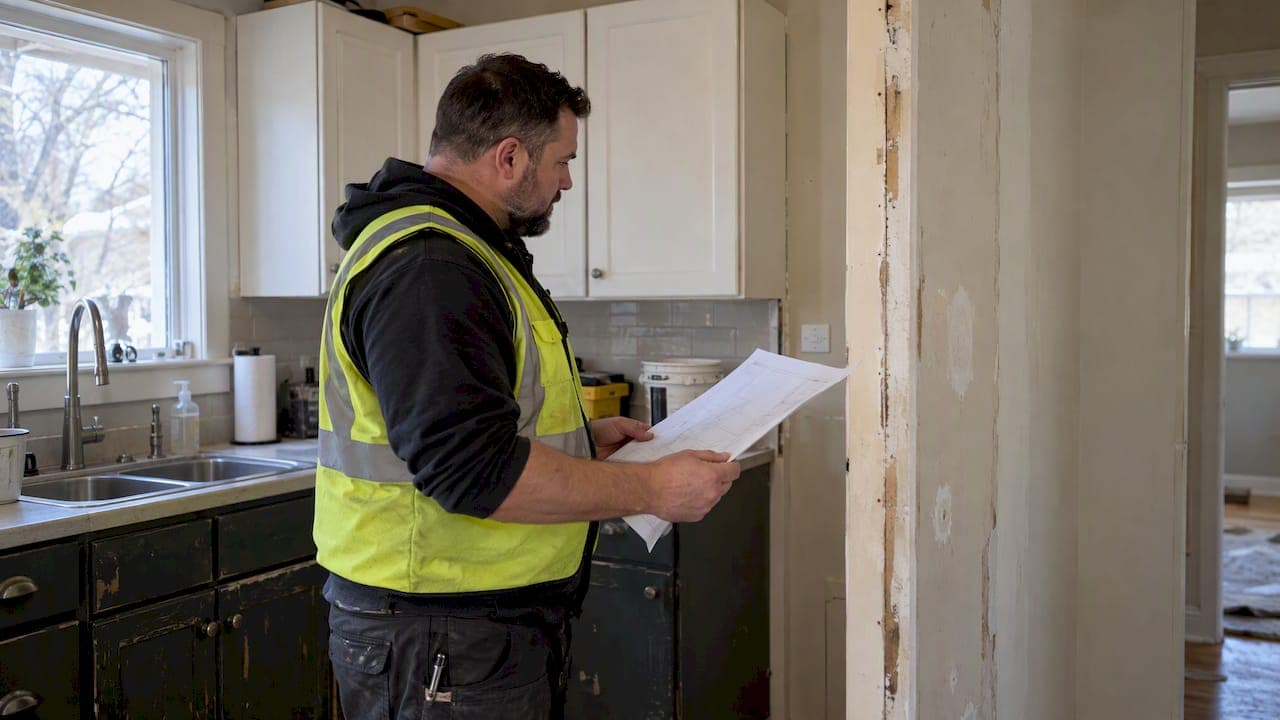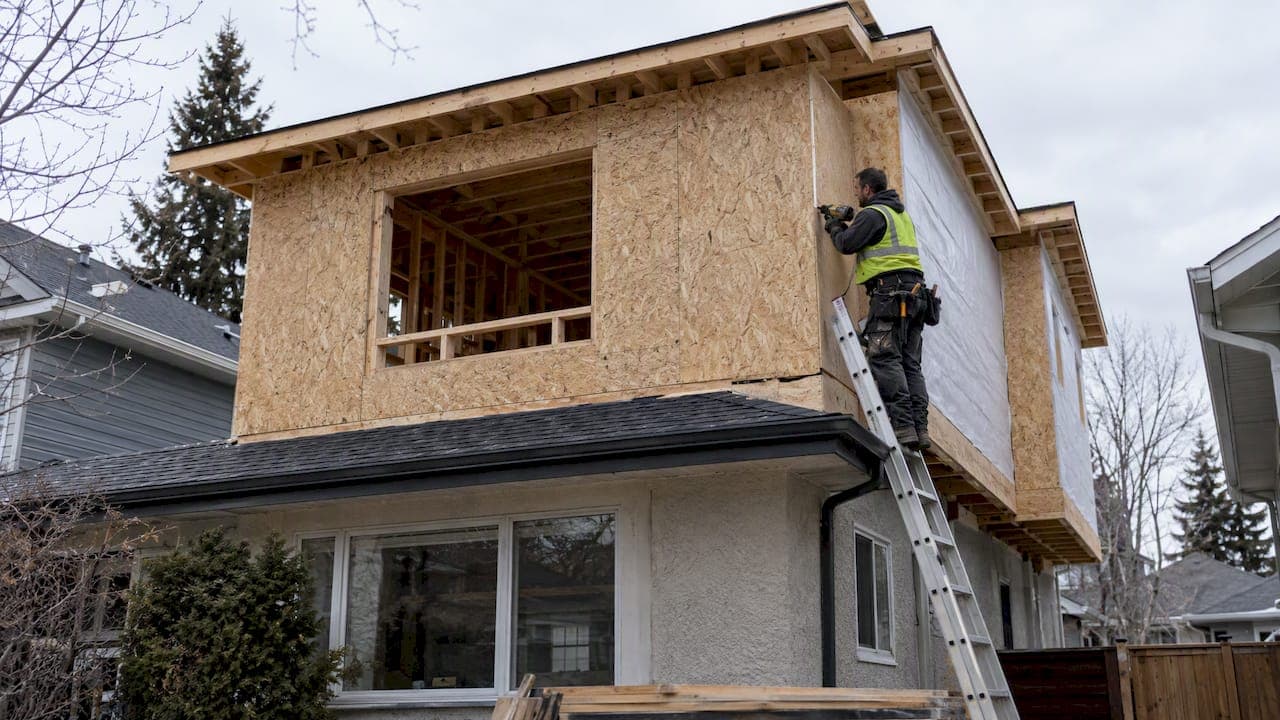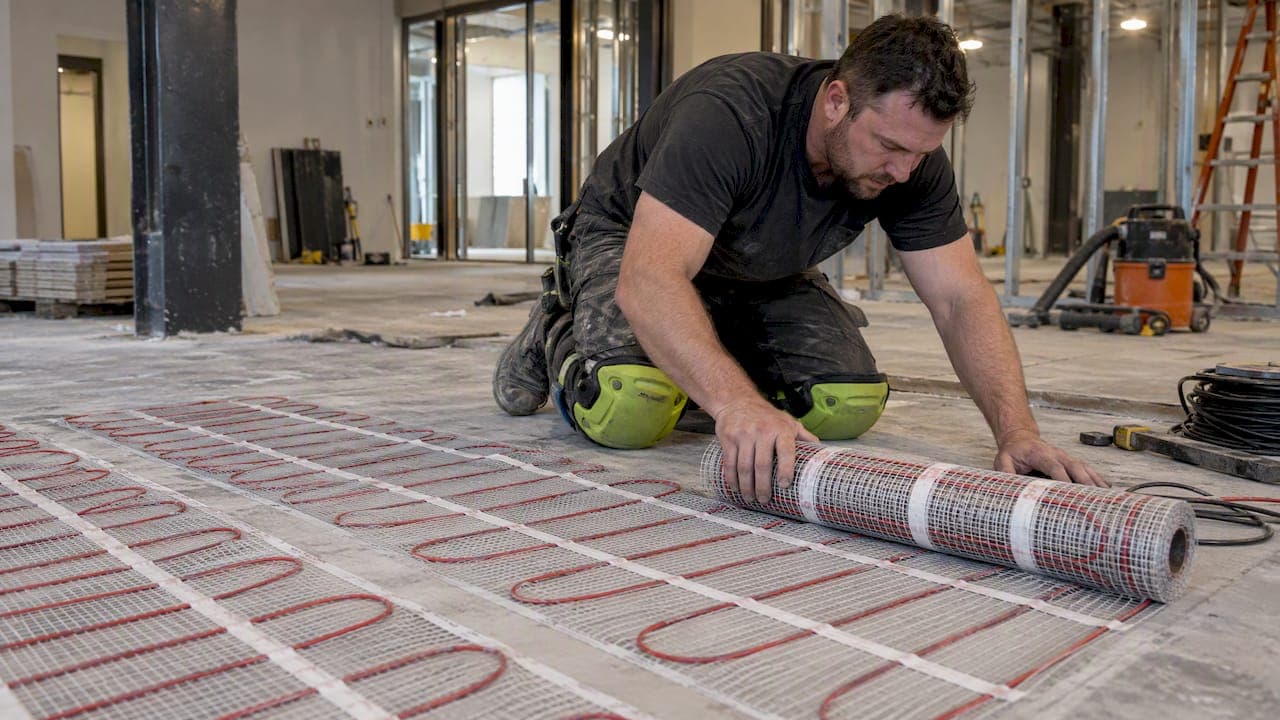
Budget kitchen renovations are defined as targeted upgrades that refresh your kitchen’s function and appearance for between $1,500 and $30,000, depending on scope. A cosmetic refresh typically runs $1,500–$5,000, a budget-focused renovation costs $5,000–$12,000, and a mid-range overhaul lands at $15,000–$30,000. Cabinetry alone accounts for 30–40% of the total budget, and labour adds another 18–22%. Knowing these numbers before you pick a single tile or tap is the most important thing you can do to keep your project on track.
1. What are the most cost-effective upgrades in budget kitchen renovations?
The highest-impact, lowest-cost upgrades focus on surfaces you see and touch every day. Painting existing cabinet boxes and replacing doors costs a fraction of full cabinet replacement. Swapping out hinges, handles, and drawer pulls takes an afternoon and changes the entire feel of the room.
Affordable upgrades worth prioritising include:
- Cabinet painting or refinishing using a bonding primer and cabinet-grade paint
- New hardware such as brushed nickel or matte black pulls and hinges
- Peel-and-stick backsplash tiles for a quick visual update without tile-setting skills
- Under-cabinet LED lighting to improve task lighting and add warmth
- Countertop overlays or resurfacing kits as an alternative to full replacement
- Discontinued appliance models, which can save 20–30% compared to current-year models
- Stone yard remnants for small countertop sections at significantly reduced cost
Each of these upgrades improves daily usability, not just appearance. A kitchen that works better feels worth more, even before you spend a dollar on aesthetics.
Pro Tip: Prioritise upgrades that add storage or improve workflow first. A new backsplash looks great, but a pull-out drawer organiser changes how you cook every single day.
2. How to plan and budget your kitchen renovation to avoid cost overruns
Set your maximum budget before you look at a single product. Once you have a number, allocate it by category rather than shopping freely and hoping it adds up. Selecting finishes before setting a budget is one of the most common mistakes homeowners make, and it almost always leads to overspending.
A practical budgeting process looks like this:
- Set your hard ceiling. Decide the absolute maximum you will spend, including all materials, labour, and fees.
- Allocate by category. Assign percentages to cabinetry (30–40%), labour (18–22%), countertops, appliances, and finishing details.
- Keep the existing layout. Moving plumbing, gas, or electrical lines can add $5,000–$15,000 to your total. Work with what you have wherever possible.
- Build in a contingency fund. Set aside 10–20% for hidden issues like outdated wiring, subfloor damage, or plumbing surprises.
- Finalise all materials before demolition. Change orders after demolition inflate costs by 15–20%. Lock in your choices first.
- Coordinate bulk deliveries. Scheduling materials together reduces handling fees and multiple delivery charges.
- Review your plan with a contractor. A licensed professional can flag issues before they become expensive surprises.
Good kitchen renovation planning in Calgary follows this same sequence. The discipline of planning before purchasing is what separates renovations that finish on budget from those that don’t.
3. Which DIY kitchen renovation projects deliver the best value?
DIY projects save real money when they match your skill level. The tasks below are genuinely accessible to most homeowners with basic tools and patience.
Safe and effective DIY projects include:
- Painting cabinets and walls using proper prep, bonding primer, and cabinet-grade paint
- Installing new hardware including pulls, knobs, and hinges
- Replacing light fixtures with plug-in or simple hardwired swaps (confirm no panel work is needed)
- Applying peel-and-stick backsplash or self-adhesive tiles
- Refinishing countertops with overlay kits or resurfacing products
- Sourcing and installing stock or used cabinets, then unifying them with paint
Used cabinets can deliver strong value when purchased as a complete set that includes corner units and drawer units. Buying a mismatched mix creates expensive custom infill work later. Paint unifies different finishes and manufacturers into a cohesive look.
Plumbing, electrical panel work, gas lines, and structural changes require licensed professionals. Errors in these areas cost more to fix than hiring a professional from the start. This is not a place to cut corners.
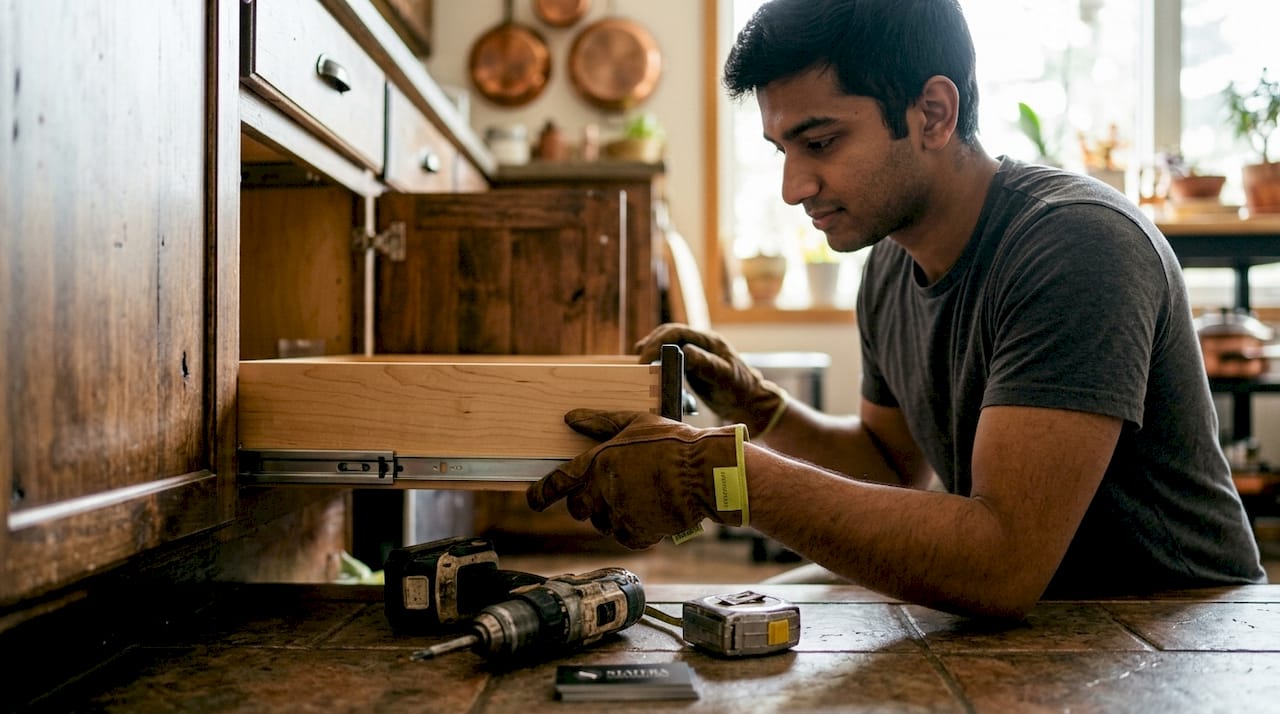
Pro Tip: Before buying used cabinets, open every door and drawer at least three times. Check that hinges are adjustable and drawers slide smoothly. Worn-out hardware on used cabinets adds cost and frustration quickly.
4. How to choose cabinetry and countertops for budget kitchen renovations
Cabinetry is the single largest cost driver in most kitchen renovations. Choosing the right category of cabinet from the start controls your budget more than almost any other decision.
| Option | Typical cost (per linear foot) | Durability | Installation complexity |
|---|---|---|---|
| Stock cabinets | $75–$150 | Good | Low |
| Semi-custom cabinets | $150–$300 | Very good | Moderate |
| Custom cabinets | $300–$1,000+ | Excellent | High |
| Used/sourced cabinets | Varies widely | Variable | Moderate |
Stock cabinets from home improvement retailers are the most practical choice for most budget renovations. They are available immediately, require no lead time, and accept standard hardware. Semi-custom options add sizing flexibility without the full cost of custom work.
For countertops, laminate remains the most affordable option and has improved significantly in quality and appearance. Quartz offers durability and low maintenance at a mid-range price. Granite remnants from stone yards sit between the two in cost and deliver a premium look for smaller sections like islands or breakfast bars.
Removing empty bulkheads and extending cabinetry to full ceiling height adds storage and a polished appearance without structural complexity. This is one of the most underused strategies in budget renovations. The space above standard-height cabinets is wasted in most Alberta kitchens, and filling it costs far less than it looks.
5. What are the hidden costs to watch for in budget kitchen renovations?
Hidden costs are the most common reason budget renovations go over budget. They are not rare exceptions. They appear in a large proportion of older Alberta homes, particularly those built before the 1990s.
Common hidden costs include:
- Outdated wiring that does not meet current code, requiring an electrician before new appliances can be installed
- Plumbing repairs discovered once walls or floors are opened
- Subfloor damage from old leaks, requiring replacement before new flooring goes down
- Structural reinforcements if load-bearing walls are involved
- Permit fees for work that requires municipal approval
- Waste disposal for demolished materials, which adds up quickly on larger projects
- Utility relocation costs if the layout changes at all
Structural surprises alone can add $5,000–$15,000 to a project unexpectedly. A 10–20% contingency fund is not optional. It is the financial buffer that keeps a renovation from becoming a financial problem. Phased renovation planning, where you complete the most critical work first and defer cosmetic upgrades, also helps manage cash flow across a longer timeline.
Key takeaways
Budget kitchen renovations deliver the most value when you lock in your plan, protect your contingency fund, and match DIY tasks to your actual skill level.
| Point | Details |
|---|---|
| Set budget before shopping | Allocate funds by category before selecting any materials or finishes. |
| Cabinetry drives cost | Cabinetry takes 30–40% of budget; stock or used cabinets reduce this significantly. |
| Keep the existing layout | Moving plumbing or electrical lines adds $5,000–$15,000 to your total. |
| Plan for hidden costs | A 10–20% contingency fund protects against wiring, subfloor, or plumbing surprises. |
| Match DIY to skill level | Paint, hardware, and lighting are safe DIY tasks; plumbing and electrical require licensed professionals. |
What I’ve learned about patience and priorities in kitchen renovations
The homeowners I see get the best results are rarely the ones with the biggest budgets. They are the ones who slow down before they spend. Patience and incremental purchases allow you to navigate budget constraints far more effectively than rushing to finish everything at once.
The most common mistake I see is falling in love with a finish before confirming the budget supports it. You pick the quartz countertop, then realise the cabinet budget is gone. Everything that follows becomes a compromise you didn’t plan for.
My honest advice is to prioritise timeless over trendy. Durable, timeless finishes maximise your return on investment and avoid the regret that comes with following a short-lived design trend. White or neutral cabinets, simple hardware, and quality lighting age well. Highly specific colour palettes and ornate details do not.
For anything involving plumbing, electrical, or structural work, hire a licensed professional. The code exists for safety reasons, and the cost of fixing an unpermitted or incorrect installation is always higher than doing it right the first time. Working with a contractor who holds trade accounts also unlocks savings on materials that retail pricing simply does not offer.
— Patrick
Statera Contracting can help you renovate your kitchen on budget in Calgary
Knowing what to spend and where to spend it is the hardest part of any kitchen renovation. Statera Contracting works with Calgary homeowners to build realistic budgets, manage materials procurement, and handle the licensed work that DIY cannot safely cover.

Our team handles kitchen renovations in Calgary from cosmetic refreshes to full remodels, with transparent pricing and no surprise change orders. We also manage bulk material deliveries and hold trade accounts that reduce your material costs compared to retail. If you are ready to plan your renovation properly, contact Statera Contracting for a consultation and a clear estimate before any work begins.
FAQ
How much does a budget kitchen renovation cost in Alberta?
A cosmetic refresh costs $1,500–$5,000, a budget-focused renovation runs $5,000–$12,000, and a mid-range renovation costs $15,000–$30,000. Cabinetry and labour together account for roughly half of the total budget.
What is the cheapest way to update kitchen cabinets?
Painting existing cabinet boxes with a bonding primer and cabinet-grade paint is the most affordable option. Replacing only the doors and hardware while keeping the original boxes reduces cost further.
Should I do my own plumbing or electrical work to save money?
Plumbing, electrical panel work, and gas lines require licensed professionals in Alberta. Errors in these areas cost more to correct than the original professional fee, and unpermitted work creates problems when you sell.
How do I avoid going over budget on a kitchen renovation?
Finalise all material choices before demolition begins, keep the existing plumbing and electrical layout, and set aside a 10–20% contingency fund. Change orders after demolition starts inflate costs by 15–20%.
Are used cabinets worth buying for a budget kitchen renovation?
Used cabinets offer real savings when purchased as a complete set that includes corner and drawer units. Inspect hinges and drawer slides carefully before buying, and plan to paint the full set to unify any mixed finishes.
Recommended
- Renovation Blog | Calgary Tips & Insights | Statera Contracting | Statera Contracting
- Home Renovations Calgary 2026 Owner’s Roadmap | Statera | Statera Contracting
- Planning a Kitchen Renovation in Calgary | Statera Tips | Statera Contracting
- Kitchen Renovation Calgary | Licensed Contractor | Statera | Statera Contracting