Smart renovations are home improvements that combine connected technologies and energy-efficient systems to lower utility costs, increase comfort, and raise property value. For Calgary homeowners, this means pairing upgrades like smart thermostats and automated lighting with proper infrastructure planning to get the most out of every renovation dollar. The industry term for this approach is “integrated home retrofitting,” and it covers everything from wiring and network design to device selection and government incentive programmes. Done right, smart home improvements pay back through lower bills, a more comfortable home through Alberta winters, and a stronger resale position.
1. Smart thermostats and energy management systems
Smart thermostats are the highest-return upgrade in any energy-focused renovation. They save 20–25% on heating and cooling costs by learning your daily routines and adjusting temperatures automatically. In Calgary, where furnaces run hard from October through April, that percentage translates to real money every month.
Home Energy Management Systems, or HEMS, go further. A HEMS connects to your smart appliances, thermostat, and lighting to give you real-time energy tracking and flags inefficiencies you would never notice otherwise. Think of it as a diagnostic tool for your home’s energy use, not just a convenience feature.
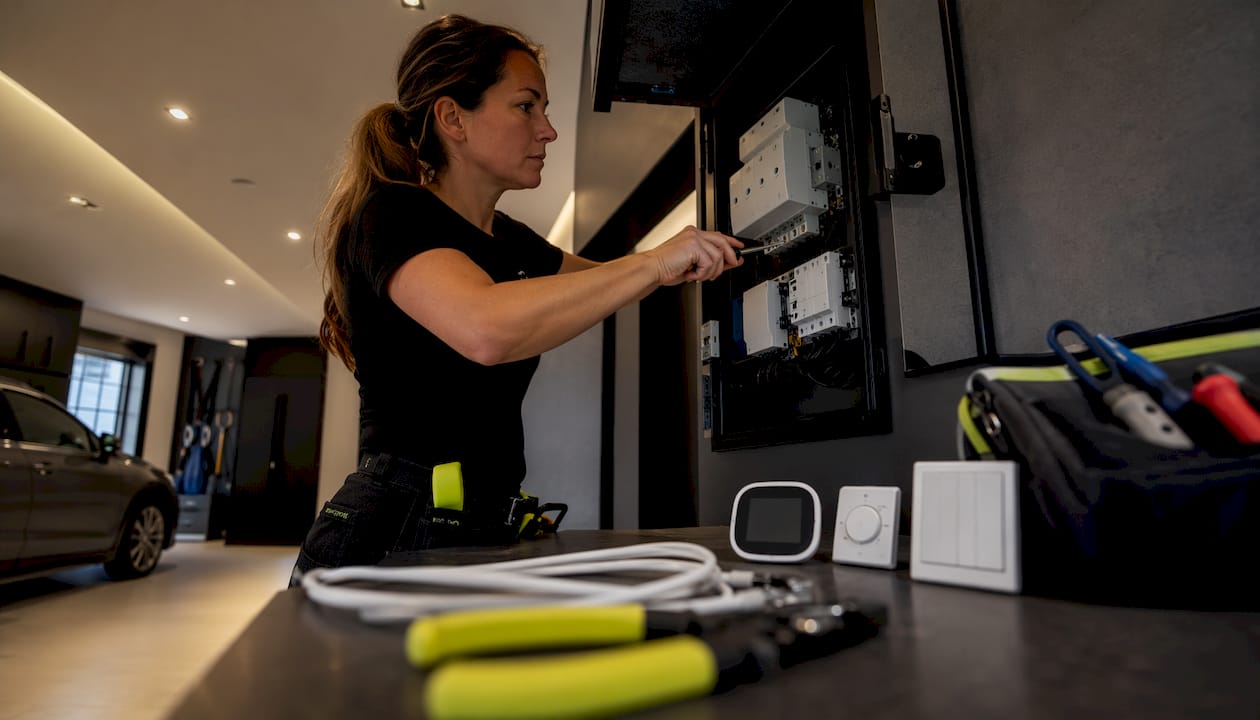
Smart lighting adds another layer of savings. LED fixtures paired with occupancy sensors and smart dimmers can save $200–$400 per year, and smart power strips cut phantom loads for an additional $50–$100 annually. These numbers are modest individually, but they stack quickly across a whole home.
Pro Tip: Plan your thermostat, lighting, and HEMS as one integrated system from the start. Buying devices piecemeal from different ecosystems often means juggling multiple apps and losing the automation benefits that make these upgrades worthwhile.
2. Pre-wiring and infrastructure: plan it before the walls close
The single most expensive mistake in a smart home project is waiting until after construction to add the wiring. Pre-wiring during renovation adds 20–30% to electrical labour costs, but retrofitting after drywall is complete can cost two to three times more due to patching and repainting. For a 2,000 sq ft home, postponing this work can add $8,000–$15,000 to your total bill.
The key infrastructure elements to rough in during any renovation include:
- Cat6 ethernet cabling to every room for reliable wired network connections
- Neutral wires at every switch box to support the widest range of smart switches
- Reserve panel capacity for future EV charging, heat pumps, or battery storage
- Conduit runs in walls for future cable upgrades without demolition
- Media enclosures in a central location for clean network and AV equipment storage
Older Calgary homes, particularly those built before 1980, often lack neutral wires in switch boxes. This forces homeowners to either buy no-neutral smart switch models (which have fewer options) or pay $150–$400 per switch for rewiring plus drywall repair. Catching this during a renovation avoids that cost entirely.
Pro Tip: A design-build firm that handles both the renovation and the smart home planning can coordinate the electrical rough-in, network layout, and device selection in one process. This prevents the common problem of a contractor finishing walls before the smart home scope is confirmed.
3. Government grants and rebates for energy-efficient renovations
Calgary homeowners have access to meaningful financial support for energy-efficient upgrades, and using it correctly can change the return on investment for a smart renovation project.
The Canada Greener Homes Affordability Programme offers no-cost energy retrofits including heat pumps and insulation for low- and median-income households. The programme has supported 35,000 households with $500 million in funding and delivers savings of $300–$1,700 annually while reducing household emissions by 1.5 tonnes per year.
For homeowners who do not qualify on income grounds, the Canada Greener Homes Grant offers up to $5,000 in grants and a loan of up to $40,000 at 0% interest with a 10-year repayment period. Both programmes require a pre-retrofit EnerGuide evaluation, which costs $300–$600 and can have a 4–8 week wait time. Book your EnerGuide assessment before you finalise your renovation schedule, not after.
Key steps to access these incentives:
- Book your EnerGuide evaluation early to avoid delays that push back your project start
- Confirm programme eligibility based on household income and home type before applying
- Stack incentives where possible by combining federal grants with any available Alberta municipal rebates
- Keep all receipts and contractor invoices as documentation is required for reimbursement
Energy-efficient upgrades also boost resale value by 3–7%, which means the financial benefit extends well beyond the grant amount. A $5,000 grant on a $600,000 Calgary home that gains 3% in value is a very different calculation than the grant alone suggests.
4. Choosing the right smart features for your home
Not every smart home feature delivers equal value, and buying the wrong devices creates frustration rather than convenience. The goal is a system where everything works together without requiring technical knowledge to operate day to day.
Device compatibility is the foundation of a good system. Protocols like Matter, Zigbee, and Z-Wave allow devices from different brands to communicate on the same network. Choosing devices that support these open standards means you are not locked into a single manufacturer’s ecosystem and can expand your system over time without replacing what you already have.
Smart home features can raise resale value by up to 5% when integrated into one cohesive system. Fragmented setups with multiple apps and incompatible devices actually reduce buyer perception of value. This is a practical reason to plan integration from the start, not just a convenience argument.
Budget expectations vary widely. Entry-level projects covering a thermostat, smart lighting, and a basic security setup run $2,500–$5,000. Whole-home systems covering lighting, climate, security, and entertainment range from $10,000–$20,000. Fully customised installations with motorised blinds, whole-home audio, and advanced automation exceed $30,000. A phased approach lets you start with high-return items and expand the system as your budget allows.
Network infrastructure is often overlooked. Consumer-grade Wi-Fi routers struggle with 20 or more connected devices. A professional-grade mesh network or a wired backbone using the Cat6 cabling mentioned earlier keeps the system reliable and reduces the frustration of devices going offline.
Pro Tip: Before selecting any devices, map out which rooms you want to automate and what you want each space to do. A local smart home consultant familiar with Calgary home layouts and Alberta’s climate can match the right products to your specific situation far better than a generic online recommendation.
5. Smart renovations and Calgary’s climate
Calgary’s climate creates specific requirements that generic smart home advice does not address. The city averages over 300 days of sunshine per year, which makes solar-ready electrical panels and smart energy monitoring a practical investment rather than a luxury. At the same time, temperatures regularly drop below -20°C, which means heating system reliability is non-negotiable.
Cold-climate heat pumps now operate efficiently down to -25°C and pair well with smart thermostats and HEMS for precise temperature management. Smart home projects nationally increased by 33%, with electrical work rising 20%, driven largely by heat pump and smart infrastructure installations. Calgary is part of that trend, and local contractors are seeing growing demand for heat pump rough-ins during kitchen, bathroom, and basement renovations.
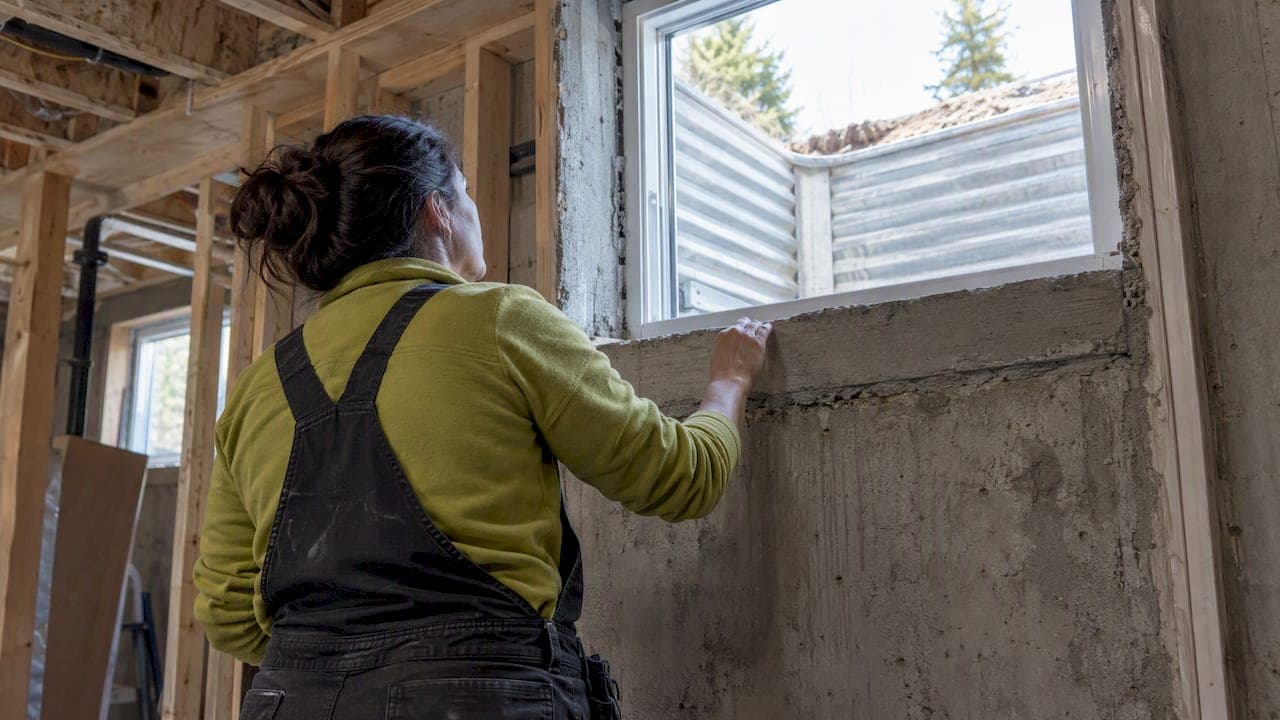
Basement renovations in Calgary also benefit from smart humidity monitoring and automated ventilation controls. Moisture management in below-grade spaces is a persistent challenge in Alberta, and connected sensors that alert you to rising humidity levels before mould develops are a low-cost addition with high practical value. You can read more about planning these details in the 2026 Calgary renovation roadmap from Statera Contracting.
Key takeaways
Smart renovations deliver the best return when energy-efficient technology, proper infrastructure, and available incentives are planned together from the start of a renovation project.
| Point | Details |
|---|---|
| Plan wiring before walls close | Pre-wiring during renovation costs 20–30% more in labour but avoids $8,000–$15,000 in retrofit costs later. |
| Smart thermostats deliver fast payback | Savings of 20–25% on heating and cooling costs make thermostats the highest-return smart upgrade. |
| Book EnerGuide early | Pre-retrofit evaluations have 4–8 week wait times and are required for federal grant and loan programmes. |
| Integration raises resale value | A single cohesive system can add up to 5% to resale value; fragmented setups reduce buyer confidence. |
| Phase your budget wisely | Start with high-return items like thermostats and lighting, then expand to whole-home automation over time. |
What I’ve learned planning smart renovations in Calgary
Patrick here. After working on renovations across Calgary and the surrounding area, the pattern I see most often is homeowners who wish they had planned their smart home infrastructure earlier. Not because the technology is complicated, but because the opportunity to do it cleanly and affordably only exists when the walls are open.
The clients who get the most satisfaction from their intelligent home upgrades are the ones who treat the wiring and network as part of the renovation scope, not an afterthought. They rough in the neutral wires, run the Cat6, and leave conduit in the walls. Two years later, when they want to add motorised blinds or a whole-home audio system, the work is straightforward and affordable.
I also think Calgary homeowners underuse the available incentives. The Canada Greener Homes programmes are genuinely useful, but the EnerGuide wait times catch people off guard. Book that evaluation the moment you start planning, not the week before construction begins.
The honest truth about tech-savvy home makeovers is that the technology itself is the easy part. The hard part is coordinating the trades, the timing, and the scope so that everything works together when the project is done. That coordination is where working with an experienced local contractor makes the biggest difference.
— Patrick
How Statera Contracting helps with smart renovations in Calgary
Statera Contracting works with Calgary homeowners to plan and build smart home renovations that integrate energy-efficient systems from the ground up. Whether you are updating a kitchen, finishing a basement, or adding a new space to your home, we coordinate the electrical rough-in, network infrastructure, and device planning as part of the renovation scope.

Our team is familiar with Alberta’s incentive programmes and can help you time your project to align with EnerGuide availability and grant application windows. We also handle kitchen renovations and basement finishing projects where smart infrastructure adds the most long-term value. Contact us for a consultation and we will walk through your home, your goals, and a realistic plan to get there.
FAQ
What do smart renovations typically cost in Calgary?
Entry-level smart upgrades start around $2,500 for a thermostat, lighting, and basic security. Whole-home systems range from $10,000–$20,000, and fully customised installations exceed $30,000.
Do I need an EnerGuide evaluation to access government grants?
Yes. Most federal incentive programmes, including the Canada Greener Homes Grant and Loan, require a pre-retrofit EnerGuide evaluation. Book it early, as wait times run 4–8 weeks.
Can I add smart features to an older Calgary home?
Yes, but older homes built before 1980 often lack neutral wires at switch boxes. The best time to address this is during a renovation when walls are already open, which avoids costly patching and repainting later.
What smart upgrade gives the best return on investment?
Smart thermostats consistently deliver the strongest payback, saving 20–25% on heating and cooling costs. In Calgary’s climate, that saving is significant given how long the heating season runs.
Will smart home features actually increase my home’s resale value?
A cohesive, integrated smart home system can raise resale value by up to 5%. Fragmented systems with multiple apps and incompatible devices can actually reduce buyer confidence, so integration planning matters.
Recommended
- Home Renovations Calgary 2026 Owner’s Roadmap | Statera | Statera Contracting
- Kitchen design Calgary: your 2026 renovation guide | Statera Contracting
- Cost of Renovating a House in Calgary: 2026 Budget Guide | Statera Contracting
- Renovation Blog | Calgary Tips & Insights | Statera Contracting | Statera Contracting