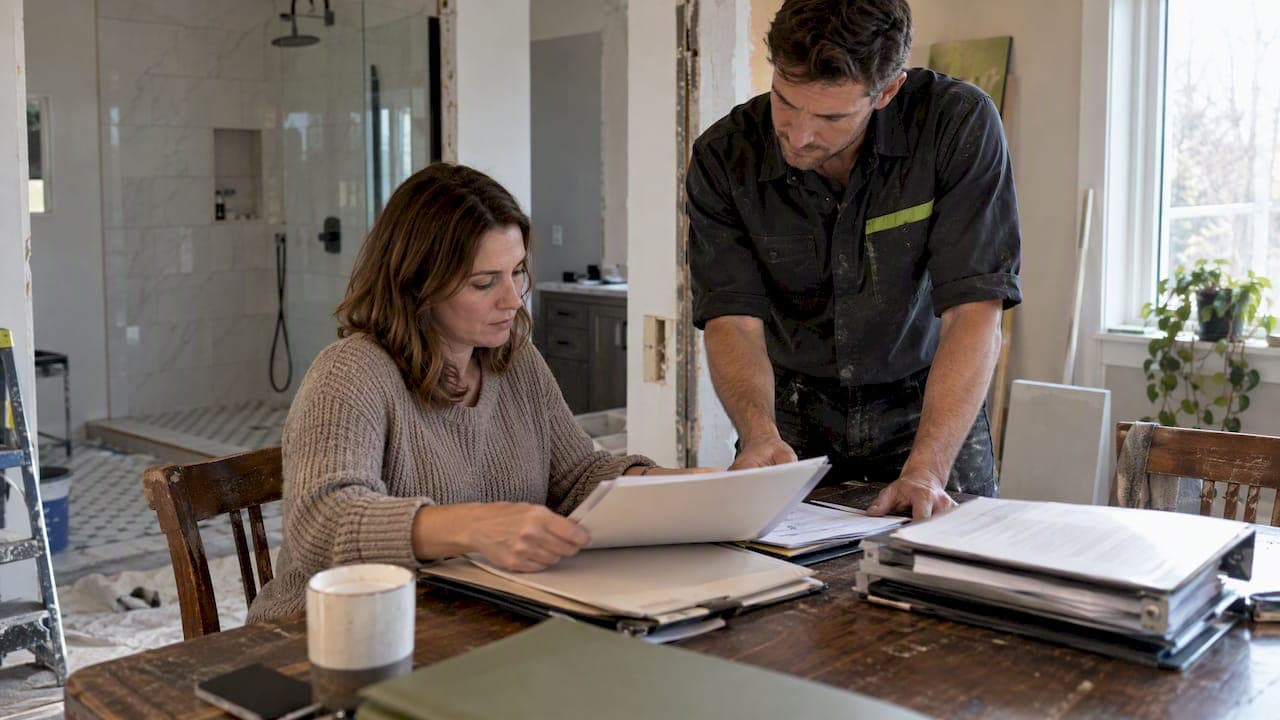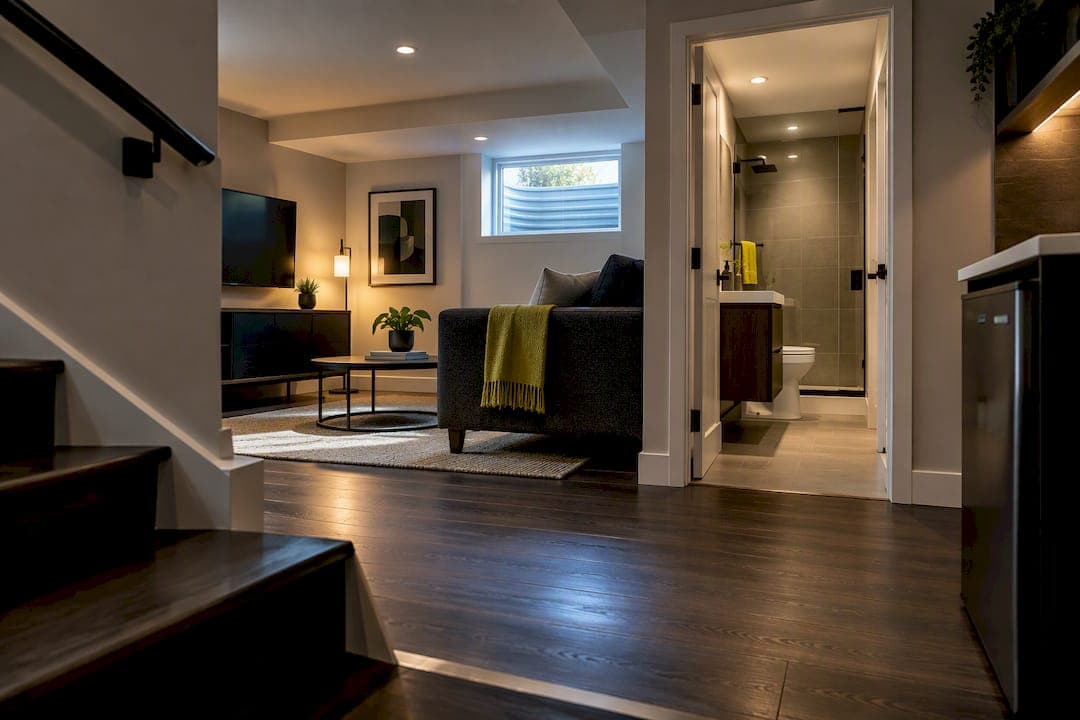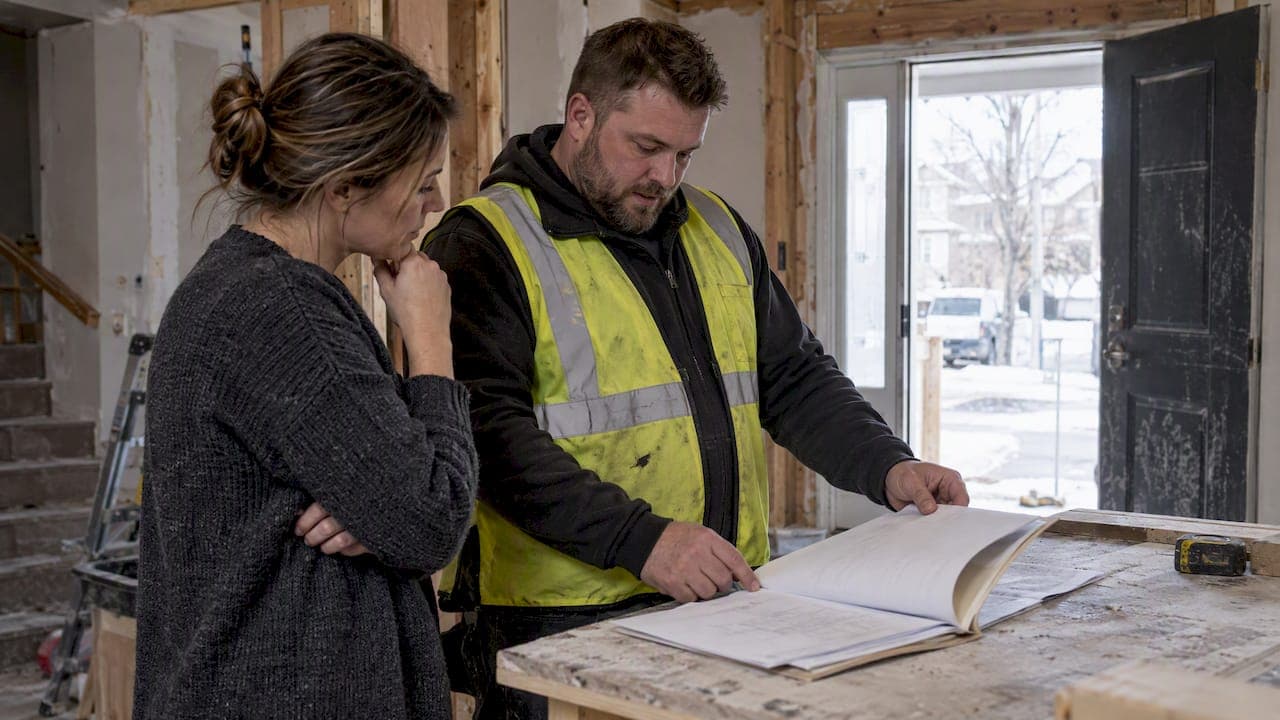
A Calgary building permit can take anywhere from the same day to several months to approve. Most common residential permits resolve in about 7 to 21 calendar days, but complexity and incomplete paperwork are what push a project into the months-long category. The City’s target timelines include both its own review time and the time you take to respond, so how fast you reply to requests matters as much as what you’re building. Miss the City’s 30-60-90 reminder cycle for a missing document, and that delay becomes the biggest risk in the whole process.
TL;DR:
- Permit approval times vary widely, from same-day for simple projects to several months for complex or incomplete applications.
- Most residential permits take about 7 to 21 days when submissions are complete, but larger projects like new homes often require around 70 days.
- Responding promptly to city requests and following the CARL checklist reduces delays caused by missing documentation or incomplete paperwork.
- Inspections are typically scheduled within one or two business days if booked early, and a failed inspection can lead to delays of a week or more.
- Proper planning and early coordination with the city, including pre-application consultations, help to avoid common delays and permit rejections.
Statera Contracting — Plan Your Calgary Renovation With Confidence. Statera Contracting handles kitchens, bathrooms, basements, additions, exterior work, and commercial renovations in Calgary and nearby areas. Visit Statera Contracting
Table of Contents
- Timeline breakdown by project type and complexity
- City prescreen and the 30-60-90 completeness process
- Inspection booking and how it affects your schedule
- Common causes of delays and a checklist to avoid them
- Step-by-step: from planning to permit issuance
- How a contractor can shorten your permit timeline
- Permit expiry and extension rules
- A realistic way to think about scheduling
- Let us manage your permit timeline for you
- FAQ
- Sources
Timeline breakdown by project type and complexity
The City of Calgary publishes target days and recent average days for different permit types, and the gap between those two numbers tells you a lot about how volume and completeness affect real-world waits. A simple deck or basement improvement moves fast. A new single-family home or a multi-disciplinary development permit takes considerably longer, partly because more departments need to review the file.
| Project type | Target days | Recent average days |
|---|---|---|
| Minor residential improvement (deck, basement, small reno) | 7 calendar days | Often same week when complete |
| Single/semi-detached dwelling (new build) | 90 days | About 70 days |
| Multi-disciplinary development permit | Varies by scope | About 109 days |
| New construction/additions (low complexity building safety) | 30 days | Can run longer depending on volume |
These figures come from the City’s development approval timelines and building safety approval timelines pages, both of which are updated regularly and worth checking before you set a start date.
A few things shape where your project lands on that table:
- Average days include City review time plus however long you take to respond to information requests.
- Seasonal volume matters: spring and early summer tend to bring more applications and slightly longer averages.
- Partial permits, such as for below-grade foundations on single-family projects, let you start certain work while other approvals are still in process.
City prescreen and the 30-60-90 completeness process
Every application goes through a prescreen before it reaches a plans examiner for detailed review. Prescreen checks that your submission has the basic pieces in place, using the City’s Complete Application Requirement Lists, commonly called CARLs, as the checklist. Fail prescreen and you typically get 30 days to resubmit the missing items before the file is closed.

Once your application clears prescreen and moves into detailed review, the clock works differently. If the examiner needs more information, the City sends automated reminders at 30 and 60 days. According to Advisory B23-005, if you haven’t supplied what’s missing by day 90, the City can refuse the application outright, and you then have 30 days to appeal to the Safety Codes Council.
Here’s how to stay ahead of that cycle:
- Pull the CARL for your specific project type before you submit anything.
- Check every item off the list against your drawings and supporting documents.
- Respond to any request for information within days, not weeks, since the countdown doesn’t pause.
- Keep a copy of every submission and reply in case you need to track the file’s history later.
Pro Tip: Treat the CARL as your submission checklist, not a formality. The single most common reason a Calgary application stalls is a missing item that the list would have caught.
Inspection booking and how it affects your schedule
Getting your permit approved is only half the job. Inspections have to happen at each phase, and they run on their own schedule. The City’s inspection booking and approval timelines page lays out the rules: inspections are generally available Monday to Friday, 8 a.m. to 4 p.m., and booking before 2 p.m. gives you a better shot at next-business-day scheduling.
A few practical points to keep in mind:
- Book inspections through the online Inspections Booking System rather than waiting for a callback.
- The Planning Services Centre can help with scheduling questions at 403-268-5311.
- You’ll usually get a confirmation email once an inspection is booked, so check your spam folder if it doesn’t show up.
One failed inspection can cascade into a week or more of delay, since the next phase of work often can’t legally proceed until the failed item is corrected and re-inspected according to the City’s own booking guidance, highlighting the importance of inspections in property care for Calgary homeowners.
Common causes of delays and a checklist to avoid them
Most permit delays in Calgary trace back to a handful of predictable problems, and nearly all of them are preventable with a bit of upfront work.
- Missing or incomplete CARL items, which trigger the prescreen rejection cycle.
- Construction drawings that don’t match an already-approved development permit.
- Missing trade permits for electrical, plumbing or gas work that should have been pulled alongside the building permit.
- Slow replies to requests for information, which eat into the 30-60-90 window without you realizing it.
- Starting work before the permit is actually issued, which can require exposing finished work for inspection later.
Before you submit, run through this short list: confirm your drawings match your approved development permit, gather your CARL documents, get a fee estimate from the City’s fee schedule, and have any required surveys or warranties on hand.
Pro Tip: If you’re unsure whether your project needs extra approvals, a pre-application consultation with the City catches problems before they cost you a resubmission cycle.
Step-by-step: from planning to permit issuance
A Calgary permit application moves faster when you follow the stages in order rather than skipping ahead.
- Confirm whether your project needs a development permit, and secure it before applying for a building permit.
- Prepare complete drawings and CARL documents for your specific project type.
- Estimate and pay the applicable fees.
- Submit through ePermit for eligible residential projects, or through VISTA access if you’re working with a contractor.
- Watch for requests for information and respond quickly.
- Once issued, book inspections in the correct sequence for your project’s phases.
A few things to flag along the way:
- Extensions are available if your permit is close to expiring but work is genuinely underway.
- If you started work without a permit, retroactive applications are possible but often mean exposing concealed work for inspection, which adds cost and time.
How a contractor can shorten your permit timeline
A locally managed renovation, whether it’s a deck, a basement or a larger addition, tends to move through permitting faster when someone familiar with CARLs and the City’s process is coordinating the paperwork. We handle permit applications, drawings coordination and inspection booking as part of our renovation work, and that coordination usually means fewer resubmissions because the file is complete the first time. For commercial projects, our commercial renovation timeline guide walks through what to expect at each stage.
Permit expiry and extension rules
A Calgary building permit doesn’t stay valid indefinitely. If work hasn’t started within a set period after issuance, or if it stalls partway through, the permit can expire, and expired permits generally mean reapplying from scratch rather than picking up where you left off.
If your project is genuinely underway but running behind schedule, an extension is often possible. The key is asking before the permit lapses, not after. Once a permit expires, the City treats the project as unpermitted again, which can mean exposing completed work for inspection and paying new fees.
A few practical habits keep this from becoming a problem:
- Start the permitted work promptly once your permit is issued, even if it’s just the first phase.
- Keep inspections booked and moving so the file shows active progress.
- Contact the Planning Services Centre at 403-268-5311 if a delay on your end, weather, materials, trades, looks like it will push past your permit’s active window.
Extensions are far easier to arrange than reinstating an expired permit, so treat the expiry date as a planning deadline rather than a formality. If you’re coordinating a multi-phase renovation, such as a home addition that includes both structural and interior work, build buffer time into your schedule so an unexpected delay in one trade doesn’t put the whole permit at risk.
A realistic way to think about scheduling
Completeness beats speed every time. A thorough application that takes an extra day to assemble will almost always clear faster than a rushed one that bounces back through prescreen. Build in time for a recheck or two, use the City’s checklists, and good paperwork will keep most projects on schedule.
— Patrick
Let us manage your permit timeline for you
We know the CARL requirements and inspection sequencing for Calgary renovations because we handle them on every project we take on, from kitchen refreshes to full additions. Working with us means one point of contact managing your drawings, your submissions and your inspection bookings, relieving you from tracking a 90-day countdown.

Our services include:
- Permit application handling and CARL document preparation
- Drawing coordination so plans match any existing development permit
- Inspection booking and sequencing across project phases
If you’re planning a basement renovation, a kitchen renovation or a home addition in Calgary, reach out through Statera Contracting and we’ll walk you through what your permit timeline will actually look like.
FAQ
How much does it cost to get a building permit in Calgary?
Permit fees in Calgary depend on project scope and are calculated using the City’s building and trade permit fee schedule. We recommend checking the current fee calculator for your specific project type before applying, since costs vary with square footage and project category.
What’s the biggest building you can build without a permit?
Permit requirements in Calgary depend on project type, size and use rather than a single universal size cutoff, and small residential structures still often need a permit. The safest approach is to check your specific project against the City’s residential ePermit guidance or ask the Planning Services Centre before building.
What is the phone number for the City of Calgary Inspections Call Centre?
You can reach the Planning Services Centre at 403-268-5311 for help with inspection bookings, rescheduling and general permit questions, as listed on the City’s inspection booking page. Inspections themselves run Monday to Friday, 8 a.m. to 4 p.m.
Can I develop my basement without a permit in Calgary?
Basement development in Calgary generally requires a building permit, particularly when it involves adding living space, electrical work or plumbing. Our basement finishing guide covers the typical permit steps, and starting work without one can mean exposing finished walls later for inspection.
How long does a typical residential permit take in Calgary?
Most common residential permits, including basement, deck and small renovation projects, are processed within 7 to 21 calendar days when the application is complete. Larger projects like new single-family dwellings currently average closer to 70 days, and incomplete applications can extend that significantly.