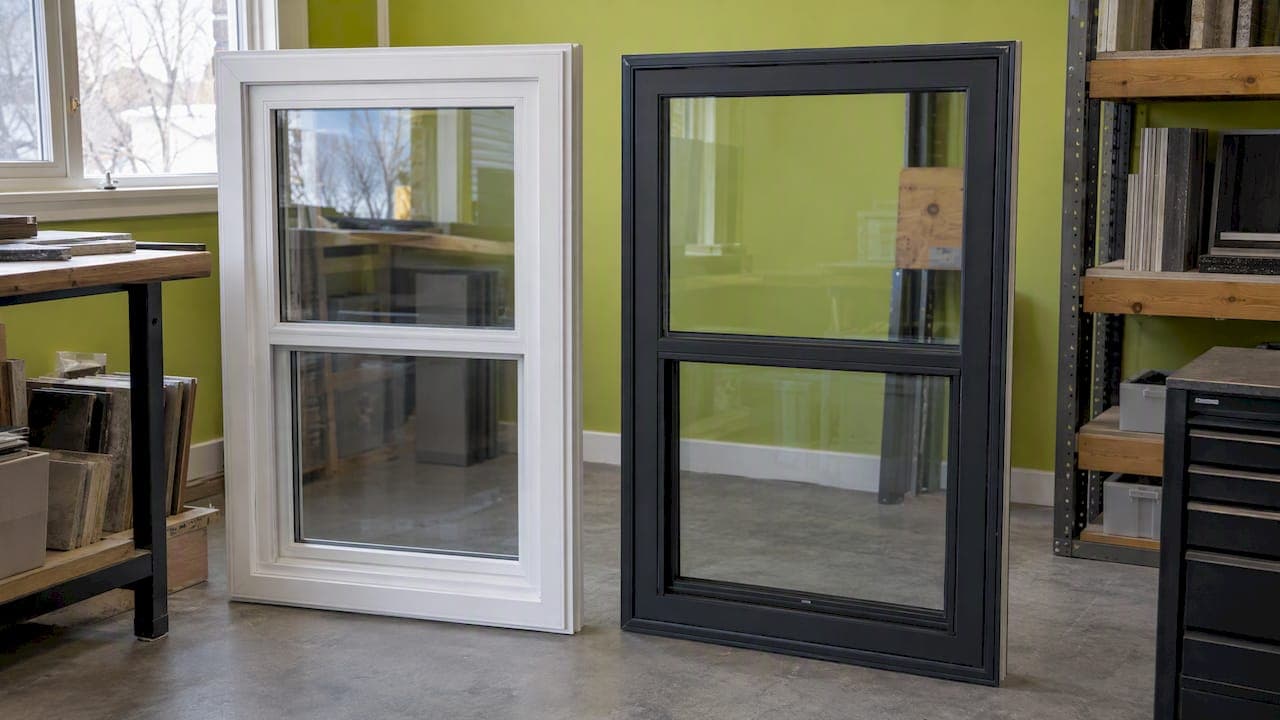
Vinyl is the better fit when budget drives the decision, and fibreglass is the better fit when you want a frame that stays stable and lasts longest. Both can meet Calgary’s cold winters when the whole window is well designed and properly installed. The frame material matters, but the glass package, the opening style and the quality of the installation often matter just as much.
Below, we compare the two materials on cost, energy performance, durability, maintenance and looks. Then we cover how casement, double-hung and slider windows differ, so you can choose the frame and the opening style together.
Statera ContractingPlan Window Choices With Your RenovationStatera Contracting renovates Calgary homes, including exterior work, and serves Calgary and areas just outside the city.Explore renovation servicesTL;DR
- Fibreglass generally costs about 10 to 20% more than vinyl, according to the City of Calgary, and is the more durable of the two.
- Vinyl is the affordable, low-maintenance choice, and it is common in both renovations and new builds.
- A window’s energy performance depends more on its design, glass package and rating than on the frame material alone.
- Casement windows seal more tightly than sliders. Sliders are simple, economical and well suited to basements and wide openings.
- Whichever you pick, installation quality decides how the window performs over the years.
Table of Contents
- Fibreglass vs vinyl at a glance
- How the two materials differ
- Cost: what you are really paying for
- Energy performance in a Calgary winter
- Durability and maintenance
- Appearance and design options
- Casement vs double-hung vs slider
- Which material for which part of the house
- Why installation matters as much as the frame
- Our perspective
- Plan your windows with your renovation
- FAQ
- Sources
Fibreglass vs vinyl at a glance
| Vinyl | Fibreglass | |
|---|---|---|
| Upfront cost | Lower | Typically 10 to 20% higher |
| Durability | Durable, but can warp or crack with age | More durable overall |
| Maintenance | Very low | Low, may need repainting over time |
| Frame profile | Thicker, more limited colours | Slimmer frames, paintable |
| Insulation | Hollow chambers can be foam-filled | Hollow chambers can be foam-filled |
| Installation | Forgiving, but still best done by a pro | Needs precise fitting |
| Best for | Budget-conscious replacements, basements, rental properties | Long-term homes, large openings, a premium look |
The cost gap comes from the City of Calgary’s guidance on windows and doors, which describes fibreglass as more durable than vinyl at roughly 10 to 20% more. The rest of the table reflects the points below.
How the two materials differ
What vinyl windows are
Vinyl frames are made from PVC. They are durable, low maintenance and affordable, which is why Home Hardware’s buying guide calls them popular for both renovation and new construction. The frame never needs painting, and the colour runs through the material, so minor scratches are less obvious.
Vinyl frames are formed with hollow chambers. The City of Calgary notes that vinyl and fibreglass frames can both be built with air pockets that are filled with foam for extra insulation. When you compare quotes, ask whether the frames are foam-filled, because that detail is part of what separates one vinyl window from another.

The usual trade-off is that vinyl is more flexible and moves more with temperature swings. Over decades, that movement is the reason lower-grade vinyl can warp or develop small gaps at the seals.
What fibreglass windows are
Fibreglass frames are made from glass fibres set in resin. They are rigid, hold their shape through big temperature swings and can be painted. Because the material is strong, the frame can be slimmer, which leaves more glass area and more light in the room. That makes fibreglass a good match for homes where you want large openings and a cleaner, more architectural look.
The price is the main reason people hesitate. Fibreglass costs more upfront, and the installation needs more precision. This Old House points out that fibreglass windows need professional installation and exact fitting to avoid frame stress or cracking, and that DIY installation may void the warranty. That is a reason to have the window fitted by a crew that does it every week, not a reason to avoid the material.
Cost: what you are really paying for
Vinyl is the lower upfront cost, and fibreglass sits higher. The City of Calgary’s range of about 10 to 20% is a useful rule of thumb when you are comparing like-for-like windows from the same maker.
The total price of a window project depends on more than the frame. Glass package (double or triple pane, Low-E coatings, gas fill), size, opening style, the condition of the rough opening and any interior or exterior trim repair all move the number. Replacing windows in a home with older siding, for example, often means the exterior finish needs attention too. For real budget ranges, see our guide to window replacement cost in Calgary, and if the siding is part of the job, our siding replacement cost guide covers the hidden repairs.
A fair way to think about it: if you plan to stay in the house for 25 years or more, the longer-lived frame can be worth the premium. If you plan to sell in a few years, a good vinyl window with a strong glass package gives you the comfort and curb appeal buyers look for at a lower cost.

Energy performance in a Calgary winter
Frame material is only one input. Natural Resources Canada makes the point clearly: a window’s overall energy efficiency depends more on the product’s design, as shown by its energy-performance rating, than on the frame material by itself. A well-built vinyl window can outperform a poorly built fibreglass one, and the reverse is also true.
So compare the label, not the material. Look at:
- The energy rating and U-factor. Lower U-factor means less heat loss. Compare the same numbers across every window you are quoted.
- The glass package. The US Department of Energy notes that gas fills and Low-E coatings are among the glazing options used to tune a window to its climate and application.
- Triple-pane versus double-pane. For large openings, bedrooms and north-facing or wind-exposed walls, triple-pane glass is worth pricing out. The extra cost buys a warmer glass surface and fewer cold drafts in January.
- Solar heat gain. Natural Resources Canada cautions that south- and west-facing windows with a solar heat gain coefficient above 0.45 may overheat a room, especially where the window-to-wall ratio is high. Calgary gets strong summer sun, so orientation matters. If a big west-facing window still runs warm, window shades for heat reduction can take the edge off alongside the right glass choice.
For the frame itself, hollow chambers filled with foam help both materials. If you want to offset upgrade costs, our article on CEIP financing for energy upgrades on your property tax explains one route Calgary homeowners can look into.
Durability and maintenance
Fibreglass is the more durable material, which is the consistent finding behind the City of Calgary’s comparison. Its rigidity helps it hold a stable shape and keeps seals working. Vinyl is a solid performer when the product is good, but its flexibility means it moves more over time.
A few practical points:
- Vinyl: wash with mild soap and water. No painting. Look for thick walls, welded corners and foam-filled chambers.
- Fibreglass: also easy to clean. The painted or factory-finished surface may need a touch-up eventually, which is the one real maintenance difference.
- Both: the glass unit and the weatherstripping wear out before the frame does. Keep tracks and drainage holes clear, and check seals once a year.
Extreme temperature swings affect every material. Fibreglass expands and contracts much less than vinyl, but it is not immune, which is one more reason to look at the full window rather than the frame alone. Calgary can go from a mild chinook afternoon to a deep freeze overnight, so the way the window is built and sealed counts for a lot.
Appearance and design options
Vinyl windows are usually available in a limited set of colours, with white and a few neutrals the most common. Darker colours exist, but they carry more risk of heat-related movement in vinyl. Fibreglass takes paint well, so you can match trim or choose a bold exterior colour.
Slimmer fibreglass frames show more glass and fit modern, heritage and craftsman styles equally well. Vinyl suits a clean, traditional look and works well across most Calgary housing stock, from 1980s infills to newer subdivisions in Airdrie, Cochrane and Okotoks.
Casement vs double-hung vs slider
Many people asking about materials are also deciding between opening styles. Here is how the three compare.
| Casement | Double-hung | Slider | |
|---|---|---|---|
| How it opens | Hinged on the side, cranks outward | Both sashes slide vertically | Sash slides horizontally |
| Air-tightness | Best, uses compression seals | Good | Lower |
| Ventilation | Full opening, catches side breezes | Top and bottom open | Half of the window opens |
| Cleaning | Needs more effort from the outside | Sashes tilt in for easy cleaning | Simple |
| Best location | Kitchens, living rooms, wind-exposed walls | Traditional fronts, bedrooms | Basements, wide openings, utility areas |
Casement windows
The City of Calgary and Natural Resources Canada agree that hinged windows, including casements, are more air-tight than sliders because they close with compression seals. Home Hardware describes casements as a premium look with good to very good energy efficiency, though they take more effort to clean. In a house with wind-exposed walls, that tighter seal is a real comfort advantage.
Double-hung windows
Double-hungs are the classic choice for many Calgary fronts. They do not seal as tightly as a casement, but a quality unit performs well, and tilt-in sashes make cleaning from inside easy. They also keep a traditional look that suits older homes.
Slider windows
Sliders are simple and economical, and they work well where you need a wide opening that does not swing into the room. Home Hardware notes that only one half opens for ventilation, which is why sliders are common in basements and utility areas. If your basement renovation involves a bedroom, the window also has to meet egress rules. We cover that in our guides to egress window size in Alberta and egress window cost in Calgary.
Which material for which part of the house
The choice is easier room by room than house-wide.
- Large living room or north-facing wall: casement or fixed picture windows in fibreglass, ideally triple-pane. Slim frames and a stable seal make the most difference here.
- Bedrooms: either material works. Choose a window that opens easily, and check egress dimensions where required.
- Basements: vinyl sliders or casements are a sensible, economical fit.
- Kitchens: a casement over the sink is easier to reach and open than a slider.
- Home additions: match the new windows to the existing ones in colour and style, or take the chance to upgrade the whole elevation at once.
- Commercial spaces: durability and low maintenance usually lead, so the material depends on the building and the traffic.
Why installation matters as much as the frame
The City of Calgary lists proper installation as an important consideration for making windows and doors last. A premium window installed on a crooked, poorly insulated opening will leak air and water, and the warranty can be affected. Good installation includes:
- Checking the rough opening for square, level and rot.
- Flashing and sealing the opening so water drains out and away.
- Insulating the gap around the frame, not stuffing it.
- Sealing the interior and exterior so the window stays airtight.
- Final adjustment of the sashes and hardware.
Water getting in around the frame is the most common failure, and it is nearly always a sealing issue rather than a material one. If you want an outside look at why water ingress around windows keeps returning, the answer is almost always flashing and sealing done carefully the first time.
Our perspective
When homeowners ask us fibreglass or vinyl, we start with the house, not the material. How long do you plan to stay? Which walls take the wind? What does the rest of the renovation look like?
We lean toward fibreglass or a high-quality vinyl, with triple-pane glass on the exposed sides, when a home is staying in the family. We lean toward good vinyl with a strong glass package when the budget needs to go to the kitchen, bathroom or basement next door. Both are sound choices when installed properly.
Windows rarely get replaced in isolation. They touch the siding, the interior trim, the insulation and sometimes the framing. As a family-owned team that manages each project directly, we plan window work alongside the rest of the renovation, so one crew handles permits, design and the installation sequence. We check the rough opening, confirm code requirements such as egress, and review your options with you before anything is ordered.
Patrick
Plan your windows with your renovation
If windows are part of a bigger project, it is cheaper and less disruptive to do them together. Our team handles kitchen, bathroom and basement renovations, home additions and exterior work across Calgary, Okotoks, Cochrane and Airdrie, with permit handling and design included in our design-build approach.

Talk to us about home additions in Calgary or the rest of your renovation at Statera Contracting, and we will review your window options on site. For more ideas on sequencing a project, read our smart renovations guide for Calgary homes.
FAQ
Which is better, fibreglass or vinyl windows?
Neither wins in every case. Fibreglass is more durable and holds its shape better, while vinyl costs less and needs almost no upkeep. For most homeowners, the best result comes from a quality window with a good energy rating and glass package, installed correctly.
What are the downsides of fibreglass windows?
The main one is the higher upfront cost, typically 10 to 20% above vinyl according to the City of Calgary. They also need precise professional installation, and the painted finish may need a touch-up over the years. Both are manageable with a good installer.
How long do fibreglass windows last?
Fibreglass is the more durable material, and many manufacturers rate it for several decades. Actual lifespan depends on installation, sealing, the glass unit and how well the home is maintained. Check the manufacturer’s warranty for the specific product you choose.
Should I choose casement or slider windows for Calgary?
Casements are the stronger choice for most living spaces because they seal tighter and open fully for ventilation. Sliders are a sensible, economical option for basements, utility rooms and wide openings. Many homes use both.
Does the frame material change energy efficiency?
Less than most people expect. Natural Resources Canada says the product’s design and its energy rating matter more than the frame material alone. Compare U-factors and glass packages across the quotes you receive.
Sources
- City of Calgary: Climate ready measures, windows and doors
- Natural Resources Canada: Keeping the Heat In, upgrading windows and exterior doors
- Natural Resources Canada: Technology primer
- Home Hardware: Windows buying guide
- This Old House: Fiberglass vs. vinyl windows
- US Department of Energy: Types of windows